A North Dakota license plate frame holds a 12 by 6 inch plate flat against the bumper and keeps the edges from curling. The frame is optional, and a plate screwed straight to the bracket works fine. The right frame protects paint, hides old holes, and leaves the state name and both stickers clear. A slim stainless frame costs about twenty dollars and outlasts a plastic one through several road-salt winters.
State rules decide what a frame may cover. A frame that hides the state name, the plate number, or a registration sticker can draw a citation, and a tinted shield over the plate is not legal. This page covers plate size, frame materials, the display rules under state law, the hardware that holds through a salt winter, popular styles, mounting process, and a short buying checklist.
Standard Plate Size in North Dakota
North Dakota follows the national size for passenger plates: 12 inches wide by 6 inches tall, with four mounting holes set in a standard pattern. The license plate designs page covers this topic in more detail. A frame built for that size fits a car, a pickup, an SUV, and a van. A motorcycle plate measures 7 by 4 inches and takes a much smaller frame. A trailer plate uses the full 12 by 6 size in most cases. A frame sold as a universal fit covers the 12 by 6 plate, and the mounting slots carry enough play for a bumper with holes drilled a little wide.
| Plate type | Face size | Mounting holes | Notes |
|---|---|---|---|
| Passenger | 12 x 6 in | 4 | Car, pickup, SUV, van |
| Motorcycle | 7 x 4 in | 2 | Fender mount, small frame |
| Trailer | 12 x 6 in | 4 | Flat yearly registration |
| Frame opening | About 12.25 x 6.25 in | Slotted | Clears a stamped plate edge |
Slim, Wide, and Deep Frames
Measure before buying. A frame listed as slim leaves the full plate face open and adds a thin band around the edge. A wide frame covers part of the border, and some designs cover the top line where the state name sits. A deep frame adds a lip that can hide the sticker corners. The plate needs a flat mounting surface, and a curved bumper calls for a bracket rather than a frame that bends the metal. A bent plate can fail a visibility check, and a plate that rattles against the bumper wears the paint under it.
Frame Materials
Plastic frames cost the least and last a few winters. A molded ABS frame holds color well at first, and sun and road salt fade it to a chalky gray within a few seasons. A chrome-plated plastic frame looks sharp on a black bumper and pits once the plating chips. Stainless steel costs more and holds up to salt, and a brushed finish hides scratches better than a mirror polish. Aluminum is light and will not rust, and a thin aluminum frame bends in a car wash brush. Carbon fiber and billet aluminum sit at the top of the price range and suit a show truck more than a daily driver.
Hardware That Holds
Hardware matters as much as the frame. Steel screws rust into the bracket and seize after two winters, and a stainless screw with a nylon washer keeps the frame off the paint. A frame that ships without hardware usually fits the factory screws, and a plate that needs longer screws calls for a thin spacer rather than a stack of washers. A rubber gasket behind the frame stops vibration and keeps road grit from grinding the plate edge. A driver who lives on a gravel road should check the screws after the first month, when the vibration has had time to work them loose. ABS plastic costs the least and flexes in heat, billet aluminum holds a polish, and stainless resists salt. A chrome-plated steel frame can pit where the plating chips, and a painted frame can fade after two summers. A driver who parks outside should lean toward a matte finish that hides wear.
Legal Rules for Frames
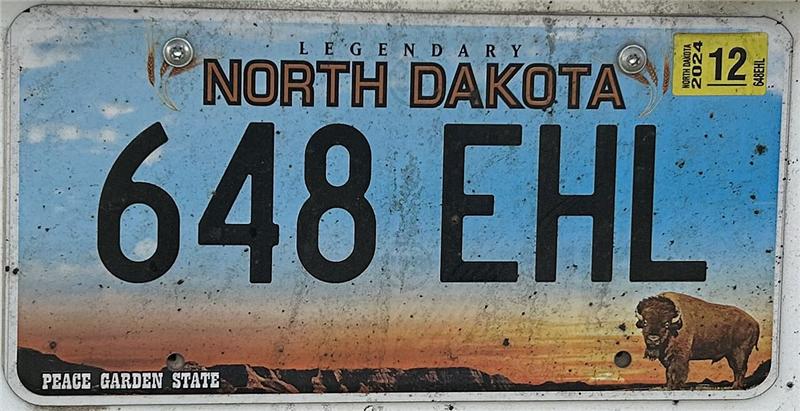
North Dakota requires a plate to be plainly visible and free of any cover that hides a character, the state name, or a sticker. The specialty plates page covers this topic in more detail. A frame may border the plate, and it may not cover the numbers, the letters, the state name, or the registration decals. A tinted, smoked, or colored shield over the plate is not legal, even when the plate reads through it in daylight. A frame with a dealer logo across the bottom is fine as long as the logo sits outside the plate face. A novelty frame with a slogan that covers the top edge of the plate fails the same test.
Two Plates, Two Checks
Two plates mean two frames on most passenger vehicles. The rear plate carries the month and year stickers, so the rear frame gets the closest look at a stop. A frame that hides a sticker corner can be read as an expired registration even when the sticker is current. A plate mounted behind a grille, inside a tinted cover, or angled to catch light can draw a citation on its own. A front plate frame needs clearance from a parking sensor, a camera, or a tow hook, and a frame that blocks a sensor can set off a warning at every stop. A clear cover that reflects glare can hide the characters at an angle, and a smoked cover fails the display rule outright. A frame with a dealer logo is fine as long as the state name and the sticker stay visible. A cover that snaps over the whole plate adds another surface to clean and another reason for a stop.
Front Plate Frames and Sensor Clearance
A front frame sits in the busiest part of the bumper. Radar units, parking sensors, cameras, and tow hooks all crowd the same space, and a thick frame can push a plate into a sensor cone. A driver who sees a parking warning on every approach should check the frame before booking a service visit. A frame that mounts with a bracket on the lower grille often clears the sensors better than a frame bolted straight to the cover.
Snow, Ice, and Bumper Fit
A dealer can confirm the sensor locations for a specific trim level. Snow and ice change the fit. A frame with a deep lip collects slush, and a frozen block behind the plate can crack the plastic or bend the bracket. A driver in the western part of the state should clear the plate after a storm and check that the frame has not pulled away from the bumper. A frame that hangs by one screw after a drift strike is a plate waiting to fall, and a lost front plate brings a citation plus a replacement order. A front frame that sits over a parking sensor can trigger a false warning in rain. A driver should test the sensor after install and move the frame if the dash lights up. A tow hook or a camera lens needs the same clearance check.
Frame Styles
The market splits into a few clear groups. The North Dakota license plate types page covers this topic in more detail. A slim frame shows the whole plate face and adds a thin border, which suits a driver who wants the plate design to carry the look. A wide frame covers more of the border and gives a heavier appearance on a truck. A dealer frame carries a store name and usually comes free with a purchase, and many drivers swap it for a plain one after the first year. A chrome or blackout frame matches trim, and a carbon fiber pattern matches a sport package. A silicone shield wraps the plate edge and protects paint from a metal corner, and it stays legal as long as it does not cover a character or a sticker.
- Slim billet or plastic frame with a narrow border.
- Wide frame for a truck or SUV bumper.
- Chrome, blackout, or brushed metal finish to match trim.
- Silicone edge guard for paint protection.
- Dealer or team frame with text outside the plate face.
Frames for Trucks, Motorcycles, and Trailers
A heavy-duty truck with a steel bumper takes a frame with longer screws and a reinforced back plate. A frame that fits a plastic bumper cover may not have enough reach on a flat steel bumper, and a driver should test the depth before ordering. A motorcycle frame is a small plate surround, and the mount takes two screws into the fender. Vibration kills cheap motorcycle frames, and a rubber washer behind the plate keeps the metal from cracking at the holes.
Trailers, Classics, and Relocators
A trailer frame should clear the coupler and the safety chains, and a plate that hangs below the frame rail can catch on a ramp. A novelty frame on a classic car draws attention at a show and a citation on the road when it covers the state name. A driver who shows a vehicle can keep a plain frame for street use and swap the decorative one at the gate. A plate relocator that moves the plate to the side of a bumper needs a light and a clear line of sight in some setups, and a plate tucked under a roll pan is a typical violation. A frame that hides the plate on a lifted truck invites a stop, and the fix costs less than the fine.
Mounting a Frame
A frame goes on in the time it takes to drink a cup of coffee, and the details decide whether it stays put. A screw that feels tight before the frame meets the bumper means the threads are crossed or the hole is packed with rust, and forcing it strips the bracket. A stripped hole takes a thread insert or one size wider screw, and a frame with slotted mounts still holds with two good holes. Snug is enough. A screw driven hard enough to dimple a bumper cover leaves a mark that shows from every angle, and a plastic cover cracks before the screw bottoms out.
Testing the Fit
Check clearance after the install. A front frame should clear the bumper cover, the sensor pod, and the tow hook, and the plate should sit level with the body line. A rear frame should leave the sticker corners open and the backup camera view clear. A frame that buzzes at highway speed needs a gasket or a new screw, not a louder radio. A driver who adds a winch, a bike rack, or a brush guard should test the plate angle after the accessory goes on, since a plate that tilts back catches glare and reads blank at night. A five minute walk around the car after the first drive catches a loose screw before the plate drops. A slim frame keeps the eye on the plate, and a wide one adds weight around the border. A matte finish hides fingerprints, and a polished finish shows every smudge. A black frame blends with a dark bumper, and a chrome frame picks up the light on a sunny day. A driver should hold a sample against the vehicle before choosing, since a color that looks right online can clash with the paint. A screw that turns with two fingers is loose, and one that needs a wrench can crush a plastic frame. A drop of anti-seize on a steel screw slows rust, and a nylon washer spreads the load on a thin bumper cover. A rusted bolt that will not turn should soak in penetrating oil before a driver forces it. A spare frame in the garage costs less than a replacement bumper cover, and a driver who keeps one avoids a rushed purchase after a knock.
Care and Cleaning
Wash the frame with the rest of the car and skip the abrasive pad. Soapy water and a soft mitt lift road film, and a plastic frame comes back with a light coat of trim dressing. A chrome frame takes a non-abrasive polish, and a brushed stainless frame needs only a rinse. A pressure washer held close to the plate can lift the reflective film, and a stiff brush can scratch the print.
Winter Salt and Sticker Care
Winter salt sits in the frame lip and eats at the plate edge, so a rinse after the last snow helps. Inspect the hardware twice a year. A screw that backs out leaves the plate hanging by one corner, and a plate that flaps against the bumper scuffs the paint and cracks at the hole. A cracked frame should come off before it drops the plate on the road. A peeling sticker goes back to an office for a replacement rather than a trim with a knife. A frame that traps water against the plate speeds corrosion at the mounting holes, and a small drain gap at the bottom edge avoids the puddle. Rinse the frame after a winter run, since road salt pits chrome and dulls stainless. A soft cloth and mild soap lift dust without scratching the finish. Avoid abrasive pads, which leave swirl marks that catch the light. Dry the frame with a microfiber towel to prevent water spots. A clean plate reads better than a dirty one, and a frame that hides dirt looks older than it is. Snow and salt do more damage to a frame than a year of highway miles. A rinse after a winter storm keeps the finish clear, and a coat of wax on a metal frame slows corrosion. A plastic frame can crack in deep cold, so a driver in the north should check the tabs each fall. A loose screw gets a new washer before it enlarges the hole. A frame that carries a dealer logo is legal as long as the state name and the sticker stay clear. A frame that covers the month or year decal fails the display rule, and an officer can ask the driver to remove it at a stop. A driver who moves to another state should check the new rule before the first drive. A driver should keep the receipt for a frame that arrives bent, since most sellers replace a damaged border within thirty days. A spare set of screws costs very little and saves a trip when one strips.
Plate Frames, Transfer, and Resale
Plates stay with the seller in North Dakota, so the frame usually stays with the plate when a car sells. A seller who keeps the plate should take the frame off with it, and a bag of screws keeps the hardware together for the next vehicle. A buyer who gets a new plate at the office can reuse a frame only when the border clears the new sticker corners. A frame with a dealer logo dates the car, and a plain frame reads better in a listing photo.
Lease Returns and Trade-Ins
A seller who trades a vehicle should pull the frame before the keys change hands, since the plate goes with the seller and the new owner needs a clear mounting surface. A lease return needs a check as well. A frame that came with the car should go back on the car, and an aftermarket frame should come off before the inspection. A hole drilled for a bracket shows up on a lease return bill, and a plate relocator leaves a mark on the bumper cover. A driver who added a frame with a back plate should remove the tape and clean the residue before the turn-in date.
Frequently Asked Questions
These are the questions drivers ask most often about plate frames in North Dakota. Each answer follows the current NDDOT display rules and the 2026 plate design.
Is a license plate frame legal in North Dakota?
Yes, when the frame leaves the state name, the plate number, and both stickers in full view. A frame that covers a character or a registration decal can bring a citation, and a tinted cover over the plate is not legal at all. A slim frame with a narrow border is the safest choice.
Can a frame cover the registration stickers?
No. The month and year stickers must read clearly, and a frame lip that hides a corner can be treated as an expired registration. A driver should check the rear frame from a few feet back and from an angle, since a covered corner often shows only in daylight at a distance.
What size frame fits a North Dakota plate?
A passenger plate measures 12 by 6 inches, and a frame with a 12.25 by 6.25 inch opening fits with a little room for the stamped edge. A motorcycle plate needs a 7 by 4 inch frame. A trailer plate takes the full-size frame in most cases.
Will a metal frame rust in a North Dakota winter?
A chrome-plated steel frame can pit after a few seasons of road salt, and a stainless or aluminum frame holds up better. A plastic frame will not rust, and it may fade instead. A rinse after the last snow and a check on the screws each spring keep any frame in service longer.
Does a frame block a front parking sensor?
Sometimes. A thick frame or a bracket that pushes the plate forward can sit inside a sensor cone and trigger a warning at low speed. A driver who sees a false alert after an install should move the plate back or switch to a bracket that mounts lower on the grille.