North Dakota prints more than a dozen specialty plates, from military service and campus marks to tribal seals and conservation causes. Each design replaces the standard backdrop and keeps the same metal size, number field, and sticker corner. Four tribal nations have land inside the state, and a driver picks the art first, then proves eligibility for it. A cause plate carries a sponsor charge of $10 to $25 a year.
This page sorts the options by category and lists the paper each one asks for. It covers service plates, campus designs, tribal issues, cause plates, and the antique class, then follows an order from the counter to the mailbox. Sponsor stock prints in batches, so the wait runs longer than a standard issue, and the details reflect NDDOT practice for 2026. An antique personalized set runs $100 once.
How to Get a Specialty Plate in North Dakota
An order starts with the catalog. The North Dakota License Plate page covers this topic in more detail. A driver checks the current design list, confirms that the plate fits the vehicle class, and gathers the paper the sponsor requires. The application goes to a motor vehicle office or through the NDDOT online services portal, and the plate charge rides with the registration. Staff review the paper, print a receipt, and send the order to the plate vendor. The standard plate stays on the car with a valid sticker during the wait.
- Pick the design and confirm the vehicle class it fits.
- Gather the eligibility paper the sponsor asks for.
- File the application and pay the plate charge with the registration.
- Keep the receipt in the glove box until the metal arrives.
- Mount the new set and place the sticker in the marked corner.
The wait runs longer than a standard issue, since the state prints sponsor stock in batches. A driver who orders near the sticker month should file early, and a renewal that falls due during the wait can go through on the current plate. A clerk can confirm the current lead time at the counter. A driver who plans a move should update the address on the record first, since the mailer follows the registration and a forwarded envelope adds weeks. A rejected application comes back with a reason, and the office applies the payment to a corrected request.
https://www.dot.nd.gov/motor-vehicle/license-plates
What the Catalog Holds Today
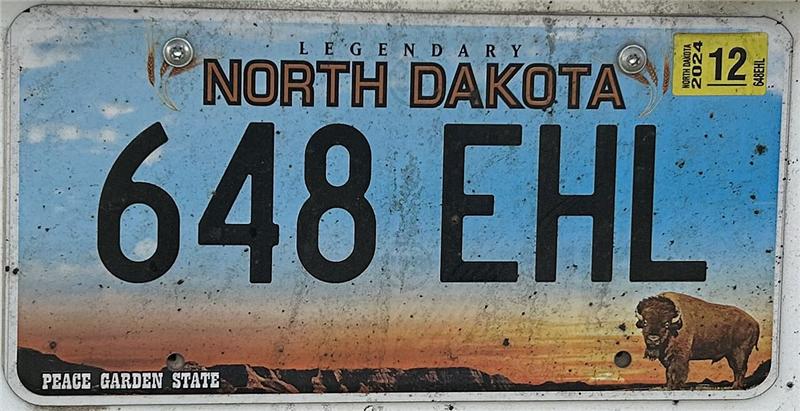
The state groups its specialty plates by the reason a driver qualifies. A cause plate supports a charity, a school, or a conservation fund. A service plate marks military duty, and a tribal plate marks enrollment in one of the four nations with land inside the state. A campus plate carries a school mark, and an antique or collector plate marks an older vehicle kept for shows and short drives. Some designs are open to any driver who pays the charge, and others need a membership card, a service record, or a tribal letter. The catalog lists each design with its rule, its charge, and the vehicle classes that can carry it.
Reading the Catalog Columns
A driver who opens the catalog for the first time should start with the class column. That detail decides whether the art can go on the vehicle at all, and it saves a wasted trip to the counter. The rule column comes next, since it names the paper the sponsor expects. A design with a blank rule column usually means any driver may order it. A design with a membership note needs a card that is current on the day of the order, and an expired card holds the request at the desk.
How a Design Joins the List
A new design needs a sponsor before the state will print it. The sponsor submits artwork, agrees to a minimum order, and works with the state on the eligibility rule. The state reviews the art for legibility at plate size, since a busy drawing loses detail once it is printed on metal. A design that draws too few orders over a few cycles can be retired, and a plate that appears in an old photo may no longer be issued. A group that wants a plate should start with the state office rather than with a printer, since the approval path runs through the vehicle division.
Vehicle Classes and Metal Size
Not every design comes in every format. A passenger car and a pickup take the full plate, a motorcycle takes a smaller metal with a six-character field, and a trailer carries its own series. A farm truck may follow a separate class with its own rules. A sponsor that licenses art for a car does not always license it for a bike or a trailer, so a driver should check the class before paying. A design printed for the wrong metal cannot be trimmed to fit, and a trimmed plate fails the size rule at a stop.
Military, Veteran, and Guard Designs
Service plates cover active duty, prior service, and the families of service members. The veteran plate page covers this topic in more detail. The list includes a general veteran plate, a disabled veteran plate, a Purple Heart plate, a former prisoner of war plate, a Pearl Harbor survivor plate, a Gold Star family plate, and a National Guard plate. Several designs mark a branch, with a seal or a name for the Army, Navy, Air Force, Marines, and Coast Guard. A combat veteran can ask about plates tied to a campaign or a unit. The state waives or reduces the charge for some service designs, and the counter confirms the amount before the order is filed.
Paperwork for Service Plates
The office asks for a DD-214, a military ID, or a service record before it releases a design. A family member who orders a Gold Star plate shows the related service paper and a document that proves the family link. A disabled veteran plate may carry a wheelchair symbol that allows parking in a reserved space, and that symbol follows its own eligibility check. A driver who cannot find the paper can request a copy from the National Archives or from the branch, and the office holds the order until the copy arrives. A reserve veteran should bring the discharge paper rather than a retiree card, since the card alone may not list the service dates.
Transfers and Memorial Plates
A service plate stays with the owner through a transfer to another vehicle, and the eligibility paper follows the plate record. A spouse who orders for a deceased veteran should ask about the rules for a memorial design, since eligibility can pass to a surviving family member. A driver who served in two branches may qualify for more than one design but can carry only one plate per vehicle. A replacement for a damaged service plate usually repeats the number, so a memorial plate keeps its identity across a new set of metal.
Placards and Name Changes
A disabled veteran who parks in a reserved space should keep the placard or the plate paperwork with the registration card. An officer who checks the plate may ask for the paper that supports the symbol. A driver who renews a service plate should confirm that the eligibility paper is still on file, since a clerk may ask for a fresh copy after a lapse. A veteran who changes a name after a marriage should update the record before the next renewal, so the plate and the registration stay aligned.
College and University Plates
Campus plates carry the mark of a North Dakota school and let an alum, a student, or a fan show support on the road. The list includes North Dakota State, the University of North Dakota, Minot State, Dickinson State, Valley City State, Mayville State, the University of Jamestown, Bismarck State, Lake Region State, Williston State, and Dakota College at Bottineau. Each campus licenses its own mark, so the art and the colors follow a style sheet the school controls. A driver does not need a diploma to order most of these designs, since the plate is open to any supporter who pays the yearly charge. A share of that charge may support a scholarship fund at the campus. A campus plate replaces the bison backdrop and keeps the state name at the top, so the metal still reads as a North Dakota issue. The number follows the standard series, and a driver can add a personal message when the design allows it. A fan who wants the mark on a trailer or a motorcycle should check the size chart first. A student who graduates keeps the plate, since the design does not expire with enrollment.
Size Charts and Lease Terms
A driver who leases a car should check the lease terms before ordering, since some lessors restrict a plate change. A campus order can take a few weeks longer than a standard issue, so file early in the renewal month.
Tribal Nation Plates
Tribal plates mark enrollment in one of the four nations with land in North Dakota: the Standing Rock Sioux Tribe, the Spirit Lake Nation, the Turtle Mountain Band of Chippewa Indians, and the Three Affiliated Tribes, which represents the Mandan, Hidatsa, and Arikara Nation. The antique and collector plates page covers this topic in more detail. Each design carries a seal or symbol chosen by the tribe, and the tribe approves the art before the state prints it. The plate works like any other registration plate, with the same number field, sticker corner, and renewal cycle. A member who lives outside the reservation can still order the design, since enrollment is the qualifier rather than the address.
Enrollment Letters and Tribal Offices
A driver who orders a tribal plate shows an enrollment card or a letter from the tribal office, and the state checks that paper before the order moves. A tribal office can confirm the letter format, and a driver who has moved should request the letter from the tribe rather than from the state. A member who registers a vehicle on reservation land may work with a tribal motor vehicle office instead of a county office, and the two paths can produce different paperwork. The state plate and a tribal vehicle tag serve different jobs, and a driver should not use one in place of the other. A plate that carries a seal represents a nation, so the tribe controls how the mark is used and can withdraw approval for a design.
Organization and Cause Plates
Cause plates cover conservation, agriculture, health, public broadcasting, and service groups. The list shifts as sponsors join and leave, so a driver should check the current catalog before choosing. A conservation plate may send money to habitat work, and an agriculture plate may support a breed association or a stockmen’s group. A health plate marks a campaign for a disease or a care program, and a broadcasting plate supports a station that serves rural counties. A civic club plate follows the same pattern. The sponsor works with the state on the art and the eligibility rule, and the state sets the charge for the design.
Membership Rules and Retired Art
Some cause plates are open to any driver, and others ask for a membership card or a donation receipt. A driver who wants a design that has been retired can ask the sponsor whether a new order is planned, since a group that drops below the state minimum loses the plate. A cause plate does not change the registration class, so a truck that carries one still pays the fee for its weight. A national group may appear in several states with different art, and the North Dakota version follows the local sponsor. A local club that wants a plate should ask the state office early, since a new design needs a sponsor, artwork, and a review before the first set prints. A driver who donates to a cause can ask whether the sponsor offers a plate, and a group that already holds one can tell a supporter how to order it. A driver who wants a cause plate on a work vehicle should check whether the sponsor allows the class. A truck that carries a business name on the door and a cause plate on the bumper sends two messages, and some sponsors prefer a plain base on a commercial unit. A fleet manager who orders several sets should file them together, since a batch order reaches the print queue faster than a string of single requests. A sponsor that sells a membership and a plate in one visit saves the driver a second form, and that pairing shows up at the counter as a single line on the receipt.
Antique, Collector, and Historic Plates
Antique plates serve vehicles at least 40 years old and kept for shows, parades, and limited road use. Collector plates cover a broader class of older vehicles that an owner keeps as a hobby rather than as daily transport. Both designs mark the vehicle rather than the driver, and both carry limits on ordinary use. A driver who insures a collector car for limited mileage should match the plate class to the policy, since a daily commute on an antique plate can raise a question at a stop. The office asks for a title, a photo of the vehicle, and a statement of the limited use.
| Plate option | Charge | Cycle |
|---|---|---|
| Specialty or organization plate | $10–$25 | Yearly |
| Personalized plate | $25 | Yearly |
| Personalized specialty | $50 | Yearly |
| Antique personalized | $100 | One-time |
| Collector personalized | $160 | One-time |
| Plate transfer | $5 | Once |
One-Time Charge and Vehicle Sales
An antique or collector set uses a one-time charge rather than a yearly one, and the registration renews on its own cycle. An owner who restores a vehicle can ask about a plate from the model year, and the state confirms whether that pairing is allowed before the metal goes on the car. A collector plate often stays with the vehicle through a sale, so a buyer should confirm the transfer at the office. A plate that shows rust or a bent edge should be replaced, since a damaged plate fails the display rule even on a show car. A car that fails a safety check stays off the road until the repair is done, and the plate does not exempt it from equipment rules.
Specialty Plate Renewal and Transfer
A specialty plate renews with the registration, and the plate charge repeats on the same schedule. A driver who moves the plate to another vehicle files a transfer, pays the one-time charge, and keeps the remaining whole months of registration as a credit. A plate that is lost, stolen, or damaged gets a replacement at a motor vehicle office, and most standard sets print on the spot. A stolen plate needs a police report before the office will issue a new one. A driver who sells a car keeps the plate in most cases, and the buyer registers the vehicle with a new set. A set that shows a flaw goes back with the packing slip, and the state prints a fresh one without a second charge.
Lapsed Membership and Worn Plates
A renewal notice lists the design and the charge, so a driver can spot a change before paying. A driver who no longer qualifies for a design, such as a member who lets a membership lapse, should switch to a standard base rather than risk a citation for a plate the record no longer supports. A plate that peels should come off before the next sticker goes on. A driver who wants to keep a favorite design on a new car should file the transfer in the same visit as the title work, since one trip saves a second line at the counter. A plate that no longer matches the record can draw a question at a stop, and the fix is a new set rather than a note in the glove box. A driver who trades a car at a dealer should take the old plate home, since the dealer does not keep it for the next owner.
Frequently Asked Questions
These are the questions drivers ask most often about North Dakota specialty plates. Each answer follows the current NDDOT order process and the 2026 plate schedule.
How do I order a specialty plate in North Dakota?
Pick the design, gather the eligibility paper, and file the application at a motor vehicle office or through the NDDOT online services. Pay the plate charge with the registration, keep the receipt, and wait for the metal to arrive by mail. The current plate stays on the vehicle during the wait.
Do specialty plates cost more than a standard plate?
Most do. A sponsor design adds a yearly charge on top of the registration, and a personal message on that design adds a second charge. Antique and collector sets use a one-time charge instead. The table on this page lists the 2026 amounts for each option.
Can I personalize a specialty plate?
Many designs allow it, and some do not. A personalized sponsor plate uses the same seven-character field as a standard plate, and the message passes the same review for duplicates and offensive strings. The office confirms the option before the order is filed, since a campus or sponsor may limit the field.
Which specialty plates need proof of eligibility?
It depends on the design. A campus or cause plate is often open to any driver who pays the charge. A service plate needs a DD-214, a military ID, or a service record, and a tribal plate needs an enrollment card or a tribal letter. A membership plate needs a current card from the sponsor.
Can I keep a specialty plate when I sell the vehicle?
In most cases the plate stays with the owner, and a transfer moves it to the next vehicle for a one-time charge. The remaining whole months of registration convert to a credit. An antique or collector plate may stay with the vehicle instead, so buyer and seller should confirm the rule before the sale closes.